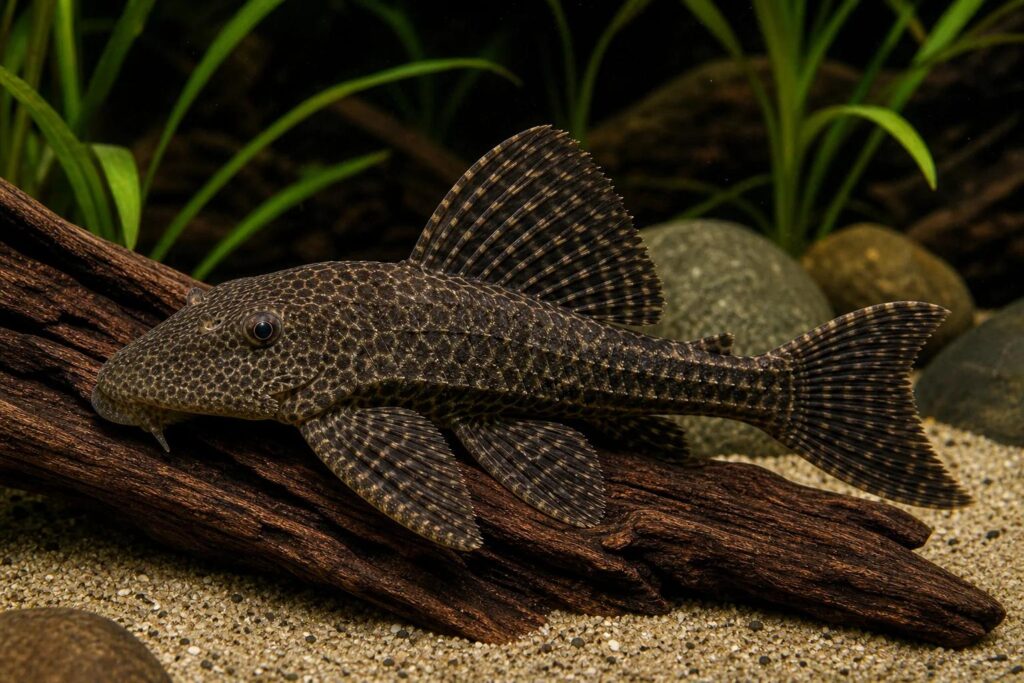
Learn why videos showing cruelty against pleco fish are raising concerns and how social media users can help stop animal abuse online.
Fish Feel Pain: Why Cruelty Against Pleco Fish Must Not Become Social Media Entertainment
Videos showing fish being deliberately injured or killed for online entertainment have raised serious concerns among animal welfare advocates. According to the Social Media Animal Cruelty Coalition (SMACC), disturbing footage involving pleco fish has been circulating on social media, with some videos appearing designed to attract attention, reactions, and views.
Animal protection advocates say this content should not be dismissed as harmless shock entertainment. It raises important questions about animal suffering, online responsibility, and the consistent enforcement of platforms’ animal cruelty policies.
Fish Deserve Protection From Cruelty
Fish are often treated differently from dogs, cats, and other animals when discussions about animal welfare arise. However, scientific research supports the view that fish can experience pain and respond to stressful and threatening situations.
SMACC reports receiving repeated complaints about videos allegedly showing pleco fish being cut, mutilated, skinned alive, or killed on camera.
The concern is not simply that these videos are disturbing to watch. It is that the suffering of living animals may be deliberately presented as entertainment for online audiences.
Animal welfare advocates argue that platforms should apply their rules consistently, regardless of whether the animals involved are mammals, birds, reptiles, or fish.
Do Pleco Fish Being Considered Pests Justify Cruelty?
Pleco fish are freshwater fish commonly found in the aquarium trade. In some regions, certain pleco species have become established outside their native habitats, where they can create ecological challenges.
Managing invasive species can sometimes be necessary to protect local ecosystems. However, environmental management and animal cruelty are not the same thing.
SMACC argues that describing these fish as pests should not be used to justify unnecessary suffering or the production of violent videos for entertainment.
When population management is required, it should follow appropriate, humane, and environmentally responsible methods. Turning an animal’s suffering into a spectacle for online engagement does not help establish responsible wildlife management.
Concerns About Fish Welfare Are Being Raised Across Asia
Animal welfare concerns are not limited to one country or culture. SMACC highlights examples from Singapore and China that illustrate growing public concern about the treatment of fish.
In Singapore, animal protection organization ACRES raised concerns about a condominium pond being drained while live fish, including plecos, were reportedly left stranded. According to SMACC, the incident prompted an investigation by Singapore’s National Parks Board (NParks).
SMACC also points to reactions on Chinese social media platforms, including Weibo, Douyin, and Bilibili, where users have criticized videos allegedly showing pleco fish being skinned, dismembered, or otherwise harmed for entertainment.
These cases highlight an important distinction: protecting the environment does not require celebrating cruelty toward animals.
The responsible management of wildlife should consider both ecological concerns and the prevention of unnecessary suffering.
How to Respond When You See Animal Cruelty Online
Seeing an animal being harmed can provoke anger, sadness, and a desire to warn others. However, sharing a disturbing video—even to criticize it—can unintentionally increase its reach.
Content designed to provoke strong reactions may benefit from additional views, comments, shares, and engagement.
If you encounter a video that appears to depict animal cruelty, consider taking these steps:
- Do not share the video. Avoid spreading the footage, even when your intention is to condemn it.
- Report the content. Use the platform’s reporting tools and select the most relevant category available.
- Avoid engaging with the creator. Comments and reactions can increase interaction with the content.
- Raise awareness responsibly. Discuss the issue without reposting graphic footage, and share educational information from reputable animal welfare organizations.
- Support consistent animal protection policies. Encourage social media platforms to apply their rules fairly across different species.
These actions can help reduce the attention given to harmful content while directing concerns through appropriate reporting channels.
What Is SMACC Calling For?
The Social Media Animal Cruelty Coalition is calling on social media platforms to remove videos depicting the torture of pleco fish and other animals, while enforcing animal cruelty policies consistently across species.
The coalition also encourages members of the public to avoid amplifying disturbing footage and to report suspected cruelty through the relevant platform tools.
Its message is straightforward: the suffering of fish should not be dismissed simply because they are different from the animals people traditionally consider pets.
Animal Welfare Should Apply to Every Species
The debate surrounding pleco fish highlights a wider challenge for social media platforms. Content that attracts attention can spread rapidly, even when it involves the suffering of living animals.
Environmental challenges may require difficult decisions about animal populations, but those decisions should be guided by responsible management rather than entertainment or online popularity.
Protecting animals also requires users to think carefully about what they watch, share, and reward with engagement.
Fish feel pain. Animal suffering is not entertainment, and cruelty should never become content created for views.
Source: Social Media Animal Cruelty Coalition (SMACC). The incidents and campaign positions described above are attributed to the supplied SMACC material.