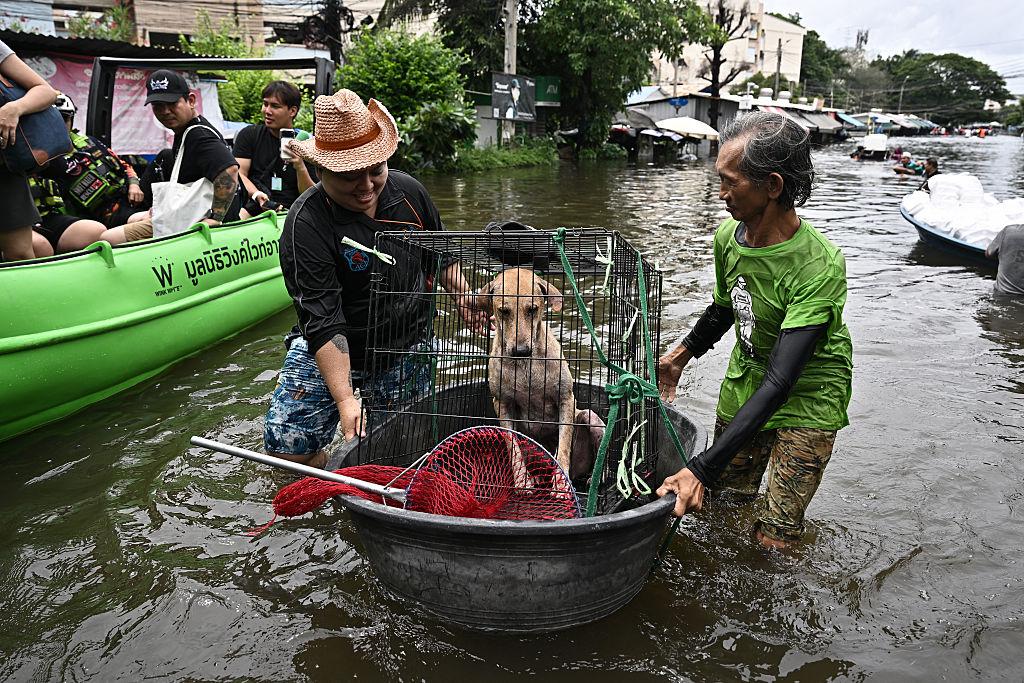
The DRC Online Summit 2026 explored disaster risk assessment, animal welfare preparedness and lessons from animal protection organizations across Asia.
Disaster Preparedness for Animals: Key Lessons from the DRC Online Summit 2026
Animal protection organizations must understand disaster risks before they can effectively protect animals and vulnerable communities. This was the central message of the Disaster Resilience Coalition (DRC) Online Summit 2026, which brought together animal welfare organizations from across Asia and beyond on August 25 and 26.
Organized by the Asia for Animals Coalition (AfA), the two-day event focused on the theme “Understanding Disaster Risk: The First Step.” Speakers explored practical ways to assess risks, strengthen preparedness and build long-term resilience for animals and the people who care for them.
Why Understanding Disaster Risk Matters
For many grassroots animal protection organizations, preparing for disasters can be difficult when daily responsibilities and limited resources take priority.
However, the summit emphasized that disaster preparedness should begin before an emergency occurs. Understanding potential hazards, identifying vulnerable groups and evaluating available resources can help organizations make better decisions when a crisis strikes.
The discussions also highlighted the importance of considering animals, people and the environment together rather than treating them as separate concerns.
Day One: Identifying and Assessing Risks
The first day focused on the fundamentals of disaster risk assessment and how animal protection organizations can apply these principles to their work.
Looking Beyond Natural Hazards
Naritsorn (Nort) Pholperm from FOUR PAWS International encouraged participants to consider more than obvious hazards such as floods, earthquakes and storms.
Social, economic and environmental conditions can also influence how severely a disaster affects a community. Organizations should consider the risks faced by animal responders and the connections between people, animals and their surroundings.
Pholperm stressed that coordination is essential during emergencies, explaining that different species and communities often share the same environment and must be considered together in disaster planning.
Risk Assessment Can Start Small
Jennifer Gardner from the International Fund for Animal Welfare (IFAW) explained that risk assessment does not necessarily require a large team or advanced technical expertise.
Organizations can begin by asking four practical questions:
- What could happen?
- What people, animals or facilities could be affected?
- How serious could the consequences be?
- What measures could reduce the risk?
Gardner also emphasized the importance of assessing an organization’s own facilities and capacity before expanding preparedness efforts into the surrounding community.
Putting Risk Assessment into Practice
Participants took part in a one-hour workshop, working in four smaller groups based on their organizational backgrounds.
Each group examined a scenario and discussed potential hazards, their possible consequences and the likelihood of different events occurring.
The exercise also highlighted a common challenge: people may have different opinions about how severe a particular consequence could be. Participants discussed the importance of balancing these perspectives and developing a more consistent approach to assessing risk.
The workshop gave organizations a practical foundation they could take back to their teams and adapt to their own circumstances.
Day Two: Lessons from Real-World Experiences
The second day moved from theory to practical experience, featuring case studies and discussions about disaster response and resilience across the region.
Nepal: Understanding Community Vulnerability
Sulakshana Rana from Animals Nepal discussed how geographical and social conditions influence disaster vulnerability.
Her presentation highlighted the importance of working animals, particularly equids, in Nepal. These animals can play a crucial role in household income, transportation and food security.
When disasters result in the loss of working animals, families may face additional economic hardship, making recovery even more difficult.
The case study demonstrated why disaster planning must consider not only immediate threats but also the resources and livelihoods communities depend on.
India: Lessons from Flood Response in Kaziranga
Dr. Bhaskar Choudhury from the Wildlife Trust of India shared lessons from years of flood response in Kaziranga.
His presentation highlighted how rescue efforts, even when well-intentioned, can sometimes introduce additional risks if they are not carefully planned.
He also emphasized the value of local knowledge. Communities living alongside recurring hazards often understand their environment well. Animal protection organizations can build on that knowledge by providing structured methods for risk assessment and preparedness.
Bali: From Emergency Funding to Long-Term Resilience
Ade Andreawan from the Bali Animal Welfare Association (BAWA) and Jennifer Gardner from IFAW discussed a nine-year partnership in Bali.
The collaboration evolved from providing emergency response funding toward a broader focus on long-term resilience and disaster preparedness.
Gardner raised an important question about how funding priorities should change once an immediate crisis has passed. While emergency assistance can produce visible results, investments in preparedness may prevent or reduce future suffering even when their impact is less immediately apparent.
Andreawan outlined four lessons for organizations funding disaster resilience initiatives:
1. Respect local knowledge
Communities often understand their own vulnerabilities better than external organizations. Their experience should inform planning and decision-making.
2. Allow flexible timelines
Preparedness work requires adequate resources, commitment and enough flexibility to test approaches and learn from setbacks.
3. Invest before disasters happen
Long-term resilience depends on preparing for potential emergencies rather than focusing exclusively on their aftermath.
4. Build trust through collaboration
Strong partnerships require communication, mutual learning and regular feedback between funding organizations and the groups implementing projects locally.
Why Animal Protection Must Be Part of Disaster Planning
Disasters can affect animals in many ways, from direct injury and displacement to the loss of livelihoods for people who depend on them.
Including animals in risk assessments can help organizations identify vulnerabilities earlier, coordinate their resources and develop more effective response plans.
The summit also showed that disaster resilience is not simply about reacting quickly when an emergency occurs. It involves understanding risk, learning from previous experiences and investing in measures that reduce future harm.
Building a More Resilient Future
The DRC Online Summit 2026 brought attention to a crucial principle: effective disaster preparedness begins with understanding risk.
By combining local knowledge, structured assessment, cross-sector coordination and long-term investment, animal protection organizations can strengthen their ability to protect animals and support communities during emergencies.
The discussions also reinforced the importance of cooperation between local organizations, international partners, funders and public authorities.
Source: Asia for Animals Coalition (AfA), Disaster Resilience Coalition (DRC) Online Summit 2026. The original summit recordings are available through the coalition’s YouTube channel.