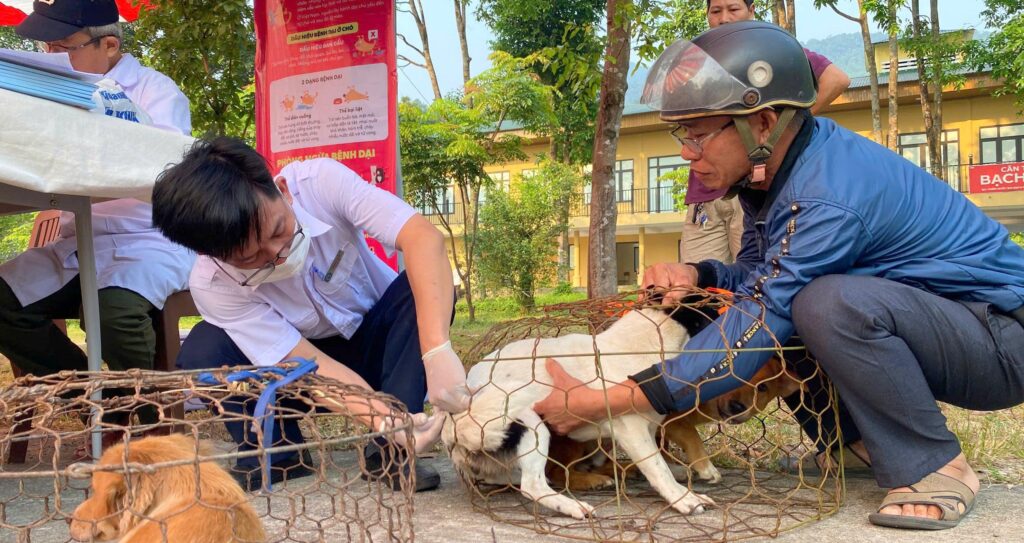
World Rabies Day 2026 highlights how vaccination, public education, accessible healthcare and regional cooperation can help eliminate rabies across Asia.
World Rabies Day 2026: Why Asia Must Work Together to Eliminate Rabies
World Rabies Day highlights the importance of cooperation between animal health professionals, healthcare providers, governments and local communities in the fight against rabies. For 2026, the theme “Stronger Together” emphasizes that eliminating this deadly disease requires coordinated action across multiple sectors.
The Asia for Animals Coalition’s Dog and Cat Coalition (DACC) has brought together perspectives from people and organizations across Asia to explore the challenges of rabies prevention and the role everyone can play in protecting both people and animals.
The Challenges of Rabies Prevention Across Asia
Public awareness remains a major challenge in several Asian countries, including India, Bangladesh and Nepal. Organizations working in these regions have highlighted the need for better education about rabies prevention, dog vaccination and the importance of seeking medical care after a potential exposure.
In India, concerns have also been raised about gaps in awareness among some healthcare providers and local authorities, underlining the need for stronger education and coordination.
In Bali, Indonesia, the Department of Agriculture has identified difficulties in capturing free-roaming dogs for vaccination and sterilization. Limited resources can make these programs more difficult to implement effectively.
Another concern raised by animal protection advocates is the trade in dog and cat meat across parts of Southeast Asia, including Viet Nam, Cambodia and Indonesia. The movement of animals between regions, including areas where rabies is present, can complicate disease surveillance and vaccination efforts.
These challenges differ from one location to another, but they demonstrate why rabies prevention requires more than a single solution.
How Individuals and Communities Can Help
Individuals can make an important contribution by ensuring their dogs receive rabies vaccinations according to veterinary guidance.
Teachers, families and community organizations can also help spread essential information about preventing dog bites, recognizing potential exposure risks and knowing where to seek medical care.
Education initiatives can be particularly effective when they encourage children and young people to share what they learn with their families.
DACC highlighted an educational visit to BINUS School Simprug in Jakarta, Indonesia, where students learned about rabies and dog-bite prevention. The students then created educational posters to communicate these messages to their wider communities.
Such activities show how schools can help build awareness and encourage responsible behavior from an early age.
What “Stronger Together” Means in Practice
The campaign’s message emphasizes that effective rabies prevention depends on several connected actions.
1. Expanding Dog Vaccination
Vaccines must be accessible, and communities need to understand their importance. Governments, veterinarians and partner organizations also need sufficient resources to reach free-roaming dogs as well as owned animals.
2. Improving Public Awareness
Communities need clear information about avoiding dog bites, recognizing possible rabies exposure and taking appropriate action when an incident occurs.
3. Ensuring Access to Medical Treatment
People who may have been exposed to rabies need prompt medical assessment and access to appropriate post-exposure treatment. Early action is essential because rabies is almost always fatal once clinical symptoms develop.
4. Strengthening Reporting and Surveillance
Suspected cases need to be identified and reported so that health authorities can investigate and coordinate an appropriate response. Cooperation between veterinary and human healthcare services is particularly important.
Why Humane Responses to Free-Roaming Dogs Matter
DACC also advocates for humane approaches to managing free-roaming dog populations.
The coalition argues that responses to rabies concerns should focus on controlling disease risks through measures such as vaccination, surveillance and public education, rather than indiscriminate killing of dogs.
Through its Humane Response Guidelines, DACC provides organizations with practical recommendations for addressing free-roaming dog issues while considering animal welfare and the concerns of local communities.
Combining vaccination programs with responsible population management and public engagement can help communities address their concerns more strategically.
A Shared Responsibility for a Rabies-Free Future
World Rabies Day serves as a reminder that preventing rabies requires sustained cooperation. Governments, healthcare providers, veterinarians, educators, animal protection organizations and members of the public all have a role to play.
By improving vaccination coverage, expanding public education, strengthening healthcare access and responding humanely to free-roaming dogs, communities can make meaningful progress toward reducing rabies risks.
The message behind “Stronger Together” is clear: lasting progress depends on people and organizations working toward the same goal.
Source: Asia for Animals Coalition (AfA), Dog and Cat Coalition (DACC).