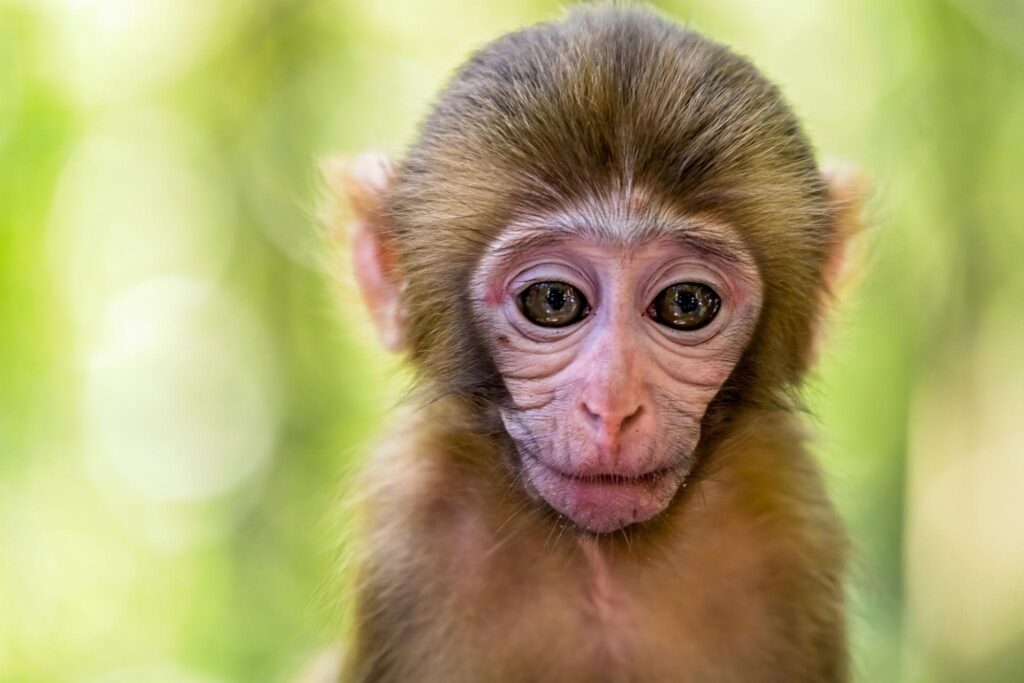
Social media animal cruelty is a growing concern. Learn how online content can harm wildlife and what users can do to help protect animals.
Social Media Animal Cruelty: How You Can Help Protect Wildlife
Wild animals are increasingly being exploited for online content, raising concerns among animal protection organizations about abuse, neglect and the demand for exotic pets.
Campaigners are calling for stronger action from social media companies, governments and the public to stop videos that feature the mistreatment of animals for entertainment and online popularity.
The Story of a Young Macaque Called Timmy
An animal protection campaign by the Social Media Animal Cruelty Coalition (SMACC) highlights the suffering of young macaques used to create abusive online videos.
One campaign features a young monkey given the name Timmy. According to the campaign, he was separated from his mother at just a few weeks old and kept in captivity by a content creator.
The material describes alleged mistreatment, including intimidation, isolation, food deprivation and being sprayed with water.
The name Timmy was chosen by the campaign to emphasize that animals used in online videos are living beings capable of experiencing fear, pain and distress, rather than objects created for entertainment.
The case represents the wider concerns raised by animal protection advocates about the exploitation of macaques and other wild animals for social media content.
The Hidden Cost of Viral Animal Videos
Videos featuring baby monkeys and other exotic animals may attract millions of views, likes and comments. However, the circumstances behind these clips can be far less appealing than they appear on screen.
Wild animals have complex physical, social and behavioral needs. Separating young animals from their mothers, keeping them in unsuitable environments or deliberately frightening them can cause serious harm.
Animal protection organizations have also documented disturbing forms of abuse in online content, including animals being restrained, beaten or exposed to dangerous situations.
The popularity of such videos can create incentives for creators to continue producing content involving wild animals, particularly when it generates engagement or income.
Why Social Media Platforms Need to Take Action
Campaigners argue that social media companies have an important role to play in preventing animal cruelty from spreading online.
Their recommendations include stronger rules against abusive content, better enforcement of existing policies, faster reporting systems and greater cooperation with animal protection organizations.
Without effective monitoring and enforcement, videos depicting animal abuse may continue to circulate and potentially encourage further exploitation.
How SMACC Is Working to Protect Animals
The Social Media Animal Cruelty Coalition brings together animal protection organizations to address cruelty involving animals featured in online content.
Its work includes campaigning for stronger platform policies, engaging with governments and social media companies, gathering evidence of suspected abuse, and supporting groups working to identify and report harmful content.
The coalition also encourages members of the public to recognize potentially abusive videos and report them through the appropriate channels.
What You Can Do to Help
Social media users can take several practical steps to help protect wildlife:
- Report suspected abuse: Use the platform’s reporting tools when a video appears to show animal cruelty.
- Avoid promoting harmful content: Do not share, like or comment on abusive videos in ways that may increase their reach.
- Raise awareness: Share information from credible animal protection organizations.
- Support responsible organizations: Consider supporting established wildlife rescue and animal welfare groups through their official channels.
- Think before engaging: Cute or unusual animal videos may conceal harmful conditions behind the scenes.
Protecting Wildlife Requires Collective Action
Animal cruelty shared online is an international concern that cannot be addressed by individual users alone. Social media companies, lawmakers, animal protection organizations and the public all have a role in helping prevent abuse.
By reporting suspected cruelty, avoiding engagement with harmful content and supporting responsible animal protection initiatives, people can help push for a safer online environment for wildlife.
Learn more: Visit the Social Media Animal Cruelty Coalition (SMACC) to learn about its campaigns and research.
Editorial note: The account of Timmy and the allegations described above are based on the campaign material supplied for this article. Readers should consult the original source for further details.